
Impacted Wisdom Tooth Extraction
Impacted Wisdom Tooth Extraction
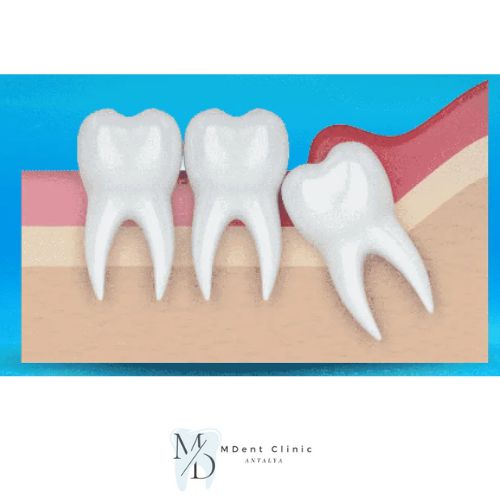
Impacted wisdom teeth are classified based on their orientation, the depth of impaction, the amount of space available for their eruption, and the amount of soft tissue or bone covering them. This classification helps doctors assess the likelihood of impaction and potential complications, such as infections or issues that may arise after extraction. Wisdom teeth are also categorized based on the presence of symptoms and discomfort.
Why Is My Tooth Impacted?
Teeth may remain impacted due to factors such as incorrect positioning, cystic lesions, early loss of primary teeth, or insufficient space in the dental arch. Wisdom teeth, canine teeth, and first premolars are the most commonly impacted or partially impacted teeth.
What Happens If My Tooth Is Impacted?
Impacted teeth can damage the roots of neighboring teeth, cause difficulties with biting and chewing, and lead to sensitivity, pain, infection, or restricted jaw opening. They may also result in bad breath or an unpleasant taste in the mouth. In such cases, your dentist may recommend extraction.
The extraction is typically performed under local anesthesia and takes about 15–20 minutes. Post-extraction, you may experience swelling and mild pain in the affected area. Your dentist may recommend pain relievers, antibiotics, and the application of ice packs to manage these symptoms.